

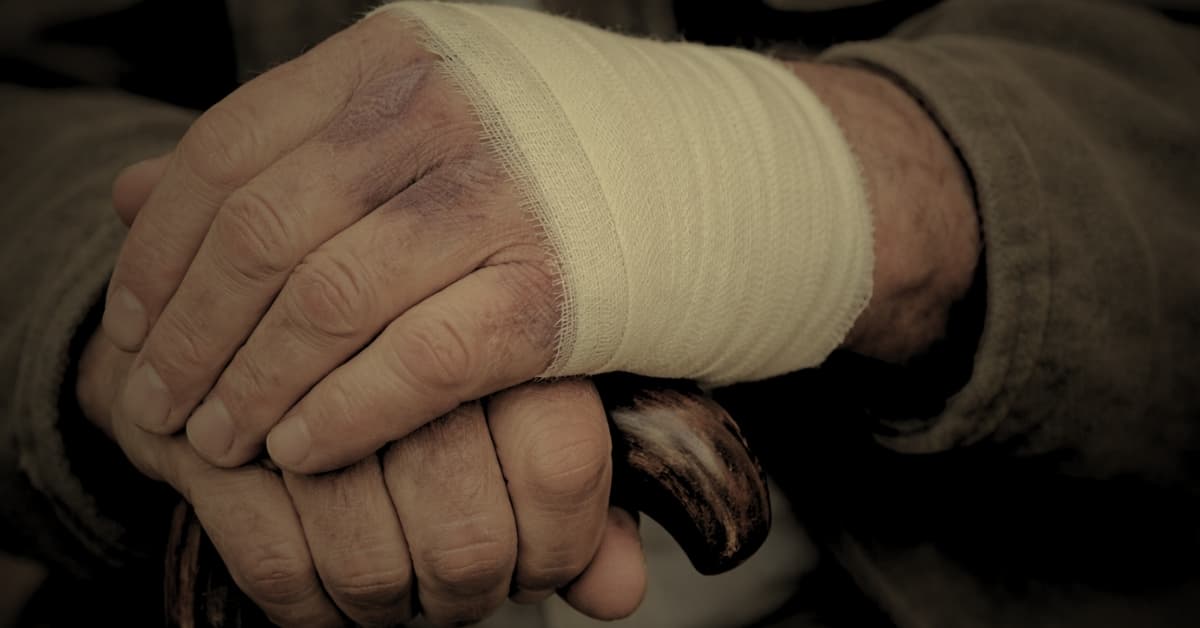
A nursing home fall injury can happen in an instant. When a family entrusts a nursing home with the care of an aging parent or grandparent, they expect the facility to keep that person safe. Falls are among the most common serious incidents in long-term care settings, and for elderly residents, the consequences can be life-altering. A broken hip, a traumatic brain injury, or even a deep bruise can set off a chain of medical complications that permanently diminishes quality of life. In too many cases, these falls are not unavoidable accidents. They are the predictable result of understaffing, poor maintenance, and a failure to follow established care protocols.
Florida law provides nursing home residents with specific legal protections and gives families meaningful options when a facility falls short of its obligations. If your loved one has suffered a fall injury in a nursing home, understanding how these cases work—from what constitutes negligence to what compensation may be available—can help you make informed decisions about how to protect their rights and hold the responsible parties accountable.
What Is a Nursing Home Fall Injury?
A nursing home fall injury refers to any physical harm that a resident sustains as a result of falling while under the care of a long-term care facility. The severity of these injuries varies widely. Some residents walk away with minor bruises. Others suffer fractured hips, broken wrists, spinal compression fractures, subdural hematomas, or lacerations that require surgical intervention. For residents with osteoporosis, dementia, or other chronic conditions, even a fall from a seated position can cause a fracture that leads to hospitalization, prolonged immobility, and a cascade of secondary complications including blood clots, pneumonia, and infections.
What makes nursing home fall injuries particularly concerning is that many of them are preventable. Facilities that properly assess each resident’s risk factors, maintain safe physical environments, and staff their floors with enough trained personnel can dramatically reduce the incidence of falls. When falls happen repeatedly, or when a single fall causes catastrophic harm that proper precautions would have prevented, the question shifts from whether the fall was an accident to whether the facility met its legal duty of care.
Common Causes of Nursing Home Falls
Physical Health Factors
Elderly nursing home residents often have multiple health conditions that increase their vulnerability to falls. Muscle weakness, impaired balance, reduced vision, and cognitive decline from dementia or Alzheimer’s disease all elevate the risk. Medications are another significant factor. Sedatives, blood pressure medications, diuretics, and certain pain medications can cause dizziness, drowsiness, or sudden drops in blood pressure that make falls far more likely.
A competent facility is expected to evaluate each resident’s physical health profile at admission and on an ongoing basis. When a resident has a documented history of falls, uses an assistive device, or takes medications with known side effects that impair balance, the care team should account for those risks in an individualized care plan. Ignoring or failing to update these assessments as a resident’s condition changes is not just a gap in care—it is the kind of failure that can form the basis of a negligence claim under Florida law.
Environmental Hazards
The condition of the facility itself is a major contributor to fall risk. Wet floors without warning signage, dim lighting in hallways and bathrooms, loose or bunched carpeting, cluttered walkways, broken or missing handrails, and poorly maintained wheelchairs and walkers all create dangers that a reasonably operated nursing home should identify and correct. Florida regulations require facilities to maintain safe premises, and routine inspections are part of the regulatory framework.
Plaintiffs often prove environmental hazards most straightforwardly in a fall injury case because inspection reports, maintenance logs, and incident records typically document these hazards. When a facility knows about a hazard—or should have known about it through reasonable inspection—and fails to correct it before harming a resident, that failure establishes a critical element of liability.
Nursing Home Negligence and How It Contributes to Falls
Under Florida law, nursing home negligence occurs when a facility fails to provide the standard of care that a reasonably competent facility would deliver under the same circumstances, and that failure causes harm to a resident.Negligence does not limit itself to a single dramatic event. It can be systemic—rooted in decisions about staffing, training, supervision, and resource allocation that create conditions where falls become inevitable.
Chronic understaffing is one of the most common drivers of negligence in nursing home fall cases. When a shift lacks enough nurses and certified nursing assistants, residents who need help getting out of bed, walking to the bathroom, or transferring to a wheelchair must manage on their own. Residents with cognitive impairments may wander without supervision. Call lights go unanswered for long periods. These are the conditions under which preventable falls occur.
Inadequate training compounds the problem. When the facility fails to properly train staff in fall prevention protocols, safe transfer techniques, or the proper use of assistive devices, those staff members may inadvertently put residents at risk. When management fails to enforce care plans, does not discipline employees who skip safety steps, or relies heavily on temporary agency staff who are unfamiliar with the residents, the facility’s negligence becomes a systemic issue rather than an isolated mistake.
The Importance of Fall Risk Assessments
A fall risk assessment is a standardized evaluation that Florida law and industry standards require nursing homes to perform for each resident, typically at admission and at regular intervals thereafter, as well as after any significant change in condition. The assessment identifies factors that make a particular resident more likely to fall—including mobility limitations, medication side effects, cognitive impairment, history of previous falls, and environmental factors specific to the resident’s room and daily routine.
The purpose of the assessment is not simply to check a box on a form. It is supposed to drive the creation and updating of an individualized care plan that addresses the identified risks. That might include assigning the resident to a room closer to the nurses’ station, installing bed alarms, providing non-slip footwear, scheduling more frequent check-ins, adjusting medications, or ensuring that a staff member assists with every transfer. When a facility conducts a fall risk assessment but then fails to implement the interventions it calls for, the assessment becomes evidence of what the facility knew and chose not to act on—a powerful fact in any negligence case.
Legal Options for Families
Families whose loved ones sustained an injury in a nursing home fall have several legal avenues under Florida law. Depending on the facts, an attorney may bring claims under the nursing home residents’ rights statutes, general negligence law, or Florida’s protections for vulnerable adults.. In cases where the fall results in death, wrongful death claims may also be available to surviving family members.
Nursing home fall injury claims typically allege that the facility owed the resident a duty of care, breached that duty through its actions or omissions, and that the breach caused the resident’s injuries. The specific legal theories will depend on the circumstances—whether the fall was caused by a physical hazard, a staffing failure, a medication error, or a combination of factors. An experienced nursing home injury attorney will evaluate the full picture and determine which claims offer the strongest path to accountability and compensation.
Early legal consultation is important. Florida imposes time limits on these claims, and critical evidence—surveillance footage, staffing schedules, incident reports, and electronic medical records—can be altered, overwritten, or lost if steps are not taken promptly to preserve it. A lawyer can send preservation demands and begin the investigation while the evidence is still intact.
Establishing Liability in a Nursing Home Fall Case
To establish liability in a nursing home fall injury case, the family must generally show that the facility had a duty to provide reasonable care, that it failed to meet that duty, and that the failure was a cause of the resident’s injuries. In practice, this means examining the facility’s policies, staffing records, training documentation, the resident’s medical chart, and the specific circumstances surrounding the fall.
Key factors that courts and juries consider include whether the facility conducted a proper fall risk assessment, whether it implemented the interventions called for in the care plan, whether staffing levels were adequate at the time of the fall, whether the facility maintained the physical environment in a safe condition, and whether staff responded appropriately after the fall occurred. Families and their attorneys can use evidence such as state inspection reports, deficiency citations from the Agency for Health Care Administration, prior incident reports involving falls, and expert testimony from nursing or geriatric specialists to demonstrate that the facility’s conduct fell below the applicable standard of care.
Compensation for Nursing Home Fall Injuries
Florida law may entitle families who successfully pursue a nursing home fall injury claim to compensation for a range of losses.Medical expenses—including emergency treatment, hospitalization, surgery, rehabilitation, and ongoing care related to the fall—are among the most common categories of damages. If the fall caused or accelerated a decline that required a higher level of care, such as a move from assisted living to skilled nursing or hospice, those additional costs may also be recoverable.
Pain and suffering, loss of enjoyment of life, and emotional distress experienced by the resident are recognized categories of non-economic damages under Florida law. In cases where the resident has passed away as a result of fall-related complications, surviving family members may seek damages for their own losses, including loss of companionship and mental pain and suffering, through a wrongful death action.
Settlement values in nursing home fall cases vary widely depending on the severity of the injuries, the strength of the evidence of negligence, the resident’s pre-existing health conditions, and the financial resources of the defendant. There is no fixed formula. Each case is evaluated on its own facts, and an experienced attorney can help families understand what a reasonable range of recovery might look like given their specific circumstances.
What to Do After a Nursing Home Fall Injury
If your loved one has suffered a fall in a nursing home, the first priority is their immediate medical needs. Make sure they receive a thorough medical evaluation, including imaging if there is any possibility of a fracture or head injury. Falls in elderly patients can cause internal injuries that are not immediately obvious, and delayed diagnosis can have serious consequences.
Once your loved one is receiving appropriate medical attention, begin documenting everything you can. Write down the date, time, and circumstances of the fall as described to you by staff. Note the names of any staff members involved. Take photographs of any visible injuries and, if possible, the area where the fall occurred. Request copies of the incident report and your loved one’s current care plan. Keep a running log of your observations during subsequent visits, including staffing levels, the condition of the facility, and any changes in your loved one’s physical or emotional state.
Consult with a Florida nursing home fall injury attorney as early as possible. An initial consultation does not obligate you to file a lawsuit, but it allows you to understand your legal options, learn what evidence you must preserve, and get a realistic assessment of whether the facts support a claim. Most attorneys who handle these cases work on a contingency fee basis, meaning there are no upfront legal fees and the attorney is paid only if there is a recovery on your behalf.
Protecting Your Family’s Rights
Nursing home fall injuries are not an inevitable part of aging. They are, more often than not, the consequence of choices that facilities make about how to allocate resources, train staff, and maintain their buildings. Florida law recognizes this and provides families with legal tools to seek accountability and compensation when a facility’s failures cause harm.
If you believe that your loved one’s fall was the result of negligence rather than an unavoidable accident, do not wait to explore your options. Evidence can disappear quickly, and Florida’s deadlines for filing claims are strictly enforced. A knowledgeable nursing home injury attorney can help you understand what happened, protect the evidence that matters, and pursue the compensation your family deserves.
This article is for general informational purposes only and is not legal advice. Every nursing home fall case depends on its specific facts and the applicable law. If you have questions about a fall injury involving a loved one in a Florida nursing home, consult directly with a Florida attorney who can evaluate your situation and provide guidance tailored to your circumstances.
©2026 The Hernandez Legal Group wrote and published this article. All rights reserved.