

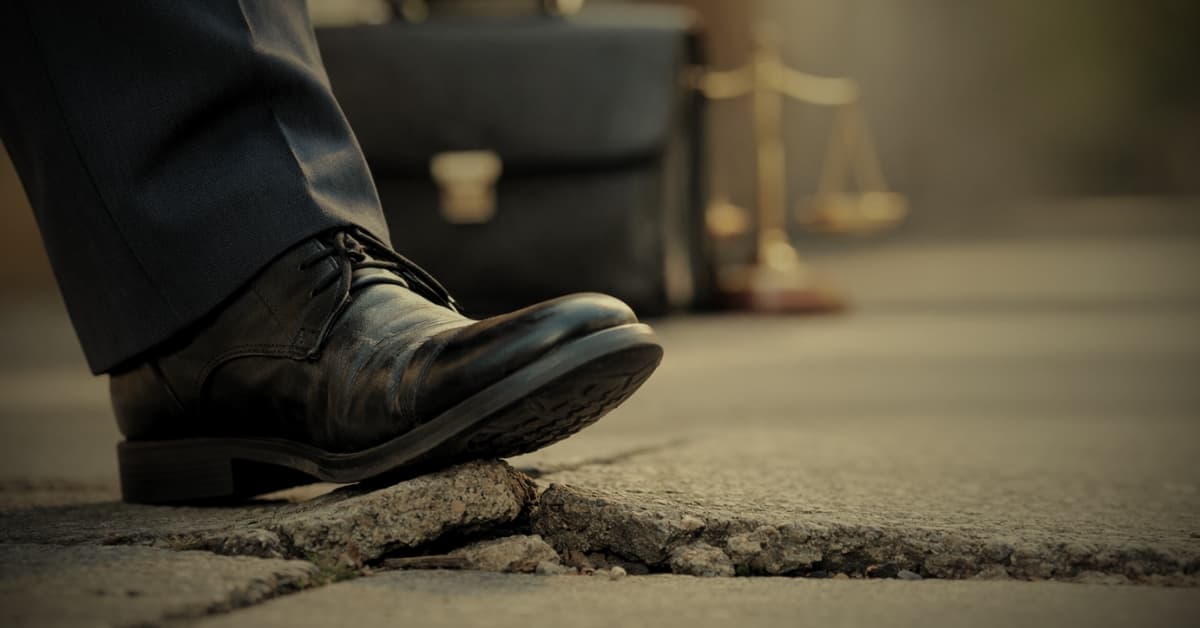
Tripping on a cracked, uneven, or poorly maintained sidewalk might seem like a minor inconvenience—until you are lying on the ground with a broken wrist, a fractured hip, or a head injury that changes the course of your daily life. In Florida, sidewalk trip and fall accidents are more common than most people realize, and many of these cases lead to a Sidewalk Trip and Fall Lawsuit when negligence causes serious harm. Medical bills, time away from work, and ongoing pain often follow what felt like a split-second stumble.
Florida law allows injured people to seek compensation when a property owner, municipality, or business fails to maintain a sidewalk in reasonably safe condition. These cases fall under the legal framework known as premises liability. While the concept sounds straightforward, the reality is that a Sidewalk Trip and Fall Lawsuit involves specific legal rules, tight deadlines, and evidence that can disappear quickly if it is not preserved. This guide walks through the key steps you should understand if you are considering a claim.
Understanding Premises Liability Law
Definition and Importance
Premises liability is the area of law that holds property owners and occupiers responsible for injuries that occur on their property when unsafe conditions cause harm and the owner knew about them or should have discovered them through reasonable care. In Florida, the duty a property owner owes to an injured person depends on why that person was on the property. Property owners owe business invitees—customers, tenants, and others who enter a property for a commercial purpose—the highest duty of care. They must not only fix known hazards but also conduct regular inspections to identify and correct dangerous conditions before someone gets hurt.
Premises liability matters in sidewalk cases because different parties may own and maintain sidewalks. A business owner or landlord may be responsible for a sidewalk in front of a commercial building, while a city or county government may be responsible for a public sidewalk. Identifying the responsible party is one of the first and most important steps in any sidewalk trip and fall case.
Key Elements of a Sidewalk Trip and Fall Lawsuit
To succeed in a Florida Sidewalk Trip and Fall Lawsuit, you generally must show that a dangerous condition existed on the sidewalk, that the property owner or responsible party knew or should have known about the condition, that they failed to repair it or warn of the danger, and that the condition caused your fall and your injuries. These elements are interconnected. A crack in a sidewalk, by itself, does not automatically create liability. You must connect the hazard to the responsible party’s failure to act and show that the failure is what led to your harm.
Florida’s modified comparative negligence standard also plays a role. If a jury determines that the injured person was more than fifty percent at fault for their own injuries, that person cannot recover damages at all in most negligence actions. Even if your share of fault is fifty percent or less, your recovery will be reduced by your percentage of responsibility. This makes it critical to build a strong case showing that the property owner’s negligence was the primary cause of your fall.
Documenting the Accident Scene
Importance of Detailed Evidence
Evidence is the foundation of every trip and fall case. Sidewalk conditions can change quickly—workers may repair a crack, grind down a raised slab, or fill a pothole, sometimes within days of an accident. If someone fixes the hazard that caused your fall before you document it, proving your case becomes significantly more difficult. That is why preserving evidence early is one of the most important things you can do.
Types of Evidence to Collect
If you are physically able to do so after a fall, take photographs and video of the exact spot where you fell, including close-up images of the defect and wider shots that show the surrounding area. Note the date, time, and weather conditions. Look for any witnesses and ask for their names and contact information. If there is a nearby business or government building, note whether there are security cameras that may have captured the incident.
You should also preserve the shoes and clothing you were wearing at the time of the fall. Insurance companies and defense attorneys frequently argue that inappropriate footwear or inattention caused the fall, so having the actual shoes available can help counter that argument. If you reported the fall to a property owner, manager, or government agency, keep copies of any incident reports or written communications. The more documentation you can gather close to the time of the accident, the stronger your case will be.
Seeking Medical Attention
The Role of Medical Records in Personal Injury Claims
Medical records serve as the primary proof of your injuries, the treatment you received, and the connection between the fall and your physical condition. In a Florida personal injury claim, you will need to show that the injuries you are claiming were actually caused by the trip and fall and not by a preexisting condition or a separate event. Your medical records create that link.
Thorough medical documentation includes emergency room records, diagnostic imaging such as X-rays or MRIs, follow-up visit notes, physical therapy records, and any referrals to specialists. If your doctor places you on work restrictions or recommends future treatment, those records are also important because they support claims for lost wages and future medical expenses. An experienced attorney will work with your medical providers to make sure your records clearly reflect the nature and cause of your injuries.
How Delayed Treatment Can Impact Your Case
One of the most common mistakes people make after a sidewalk trip and fall is waiting too long to see a doctor. You may feel that the injury is not serious enough to warrant a visit, or you may be busy and plan to go later. The problem is that insurance companies routinely argue that a gap between the accident and the first medical visit means the injury was not caused by the fall or was not as serious as claimed.
Seeking medical attention promptly—ideally on the same day as the fall or within a day or two—creates a clear timeline that ties your injuries directly to the incident. If you delay treatment even by just a few weeks, you may forfeit valuable insurance coverage and also gives the defense an opening to argue that something else caused your pain. Even if you believe your injuries are minor, it is wise to get evaluated so that there is a medical record connecting your condition to the fall from the very beginning.
Consulting a Pedestrian Accident Attorney
Why Legal Guidance Is Essential
A Sidewalk Trip and Fall Lawsuit involves legal questions that are not always straightforward. Identifying the responsible party becomes more complicated when multiple entities—a property owner, a tenant, a management company, or a government agency—share responsibility for maintaining a sidewalk. If the responsible party is a government entity, Florida law imposes special notice requirements and shorter deadlines that differ from claims against private parties. Missing a deadline or failing to follow the correct procedure can result in losing your right to bring a claim entirely.
An attorney who regularly handles Florida premises liability cases will know how to investigate ownership records, identify responsible parties, and navigate the procedural requirements that apply to your specific situation. Legal guidance early in the process can also help you avoid common mistakes, such as giving a recorded statement to an insurance adjuster before you fully understand the extent of your injuries or the value of your claim.
Choosing the Right Accident Injury Attorney
Not every lawyer handles trip and fall cases, and not every personal injury attorney has specific experience with sidewalk defect claims in Florida. When evaluating attorneys, look for someone who has handled premises liability cases involving sidewalk and walkway hazards, who understands the local building codes and government immunity rules that may apply, and who can explain the legal process to you in clear terms.
Most Florida personal injury attorneys work on a contingency fee basis, which means the attorney’s fee equals a percentage of the amount they recover and applies only if your case results in a settlement or verdict in your favor. Before signing a fee agreement, make sure you understand how the attorney calculates fees and costs, what expenses you may need to cover, and how the attorney will communicate with you throughout the case. A good attorney will answer these questions openly and will not pressure you into signing before you are comfortable.
Maximizing Slip and Fall Compensation
Understanding Types of Damages
Florida law recognizes several categories of damages in personal injury cases. Economic damages include medical bills, lost wages, loss of earning capacity, and other out-of-pocket expenses that you can calculate with reasonable certainty. Non-economic damages include pain and suffering, loss of enjoyment of life, and emotional distress. In cases involving particularly egregious conduct, punitive damages may also be available, although they are uncommon in standard trip and fall cases.
Understanding the full range of damages available is important because many people undervalue their claims. They focus on current medical bills without considering future treatment needs, or they overlook the impact the injury has had on their ability to work, exercise, sleep, or enjoy activities they once took for granted. An experienced attorney will evaluate all of the ways the injury has affected your life and make sure those losses are accounted for in any demand or lawsuit.
Strategies for Effective Negotiation
Most personal injury cases in Florida are resolved through negotiation and settlement rather than trial. Effective negotiation starts with thorough preparation: organizing your medical records, calculating your economic losses, documenting the impact on your daily life, and presenting the evidence of the property owner’s negligence in a clear and compelling way. A well-prepared demand package gives the insurance company a reason to take your claim seriously.
It is also important to be patient. Insurance companies often make low initial offers in the hope that an injured person will accept less than the claim is worth. An attorney who understands the value of your case will know when an offer is reasonable and when it falls short. If negotiations do not produce a fair result, your attorney should prepare to file a lawsuit and, if necessary, take the case to trial. The willingness to litigate also serves as a negotiation tool, because insurance companies often offer fair settlements when they know the attorney on the other side will take the case to court.
Conclusion
A sidewalk trip and fall may happen in an instant, but the consequences can follow you for months or years. A Sidewalk Trip and Fall Lawsuit requires prompt action, careful documentation, proper medical care, and a clear understanding of the legal rules that apply to your case. Every situation is different, and the strength of your claim depends on the specific facts and evidence involved.
If you believe a dangerous sidewalk condition in Florida caused your injuries, the most important steps you can take are to preserve evidence, seek medical attention, and consult an experienced Florida premises liability attorney who will evaluate your case and explain your options.
This article is for general informational purposes only and does not constitute legal advice. Every case is different, and the outcome of any legal matter depends on the specific facts and circumstances involved. If you need legal advice about a potential sidewalk trip and fall claim in Florida, consult directly with a qualified Florida attorney.
© 2026 The Hernandez Legal Group wrote and published this article. All rights reserved.